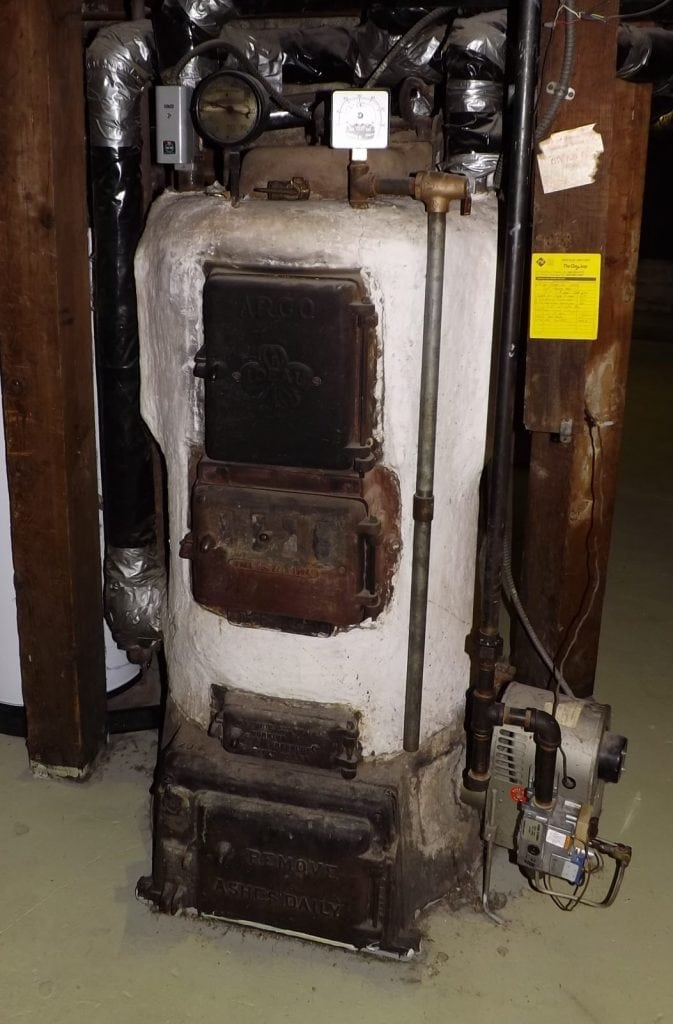
Inspectors will often refer to items as being at the “end of their expected life” or any number of similar phrases. Buyers like to have some guidance about life expectancy of appliances, furnaces, plumbing pipes, electrical components, roofing materials, siding materials, and water heaters–among other things.
Generally speaking it is possible to give some “rough” guidelines, but pinning down the “actual” demise of any component is very difficult.
For example take a garbage disposer. They typically have a life expectancy of about 12 years but if the thing never gets used it might last a lot longer.
On the other hand take a Hot Water Tap–you know the type that is under the sink and sends very hot water to a faucet at the sink for tea or coffee? These things can be expected to last about 8-10 years but will last about that long regardless the amount of use because the thing is sitting there full of water whether you use it or not–time is its biggest enemy. Of course water quality, and the area of the country you live in, can also factor in the problem.
For inspectors it is much easier to deal with describing things that are at the end of their expected life–it is all of those years when the unit is “approaching” the end of its expected life that we are in greyer territory. One must add to this, things like improper installation, leaks, mechanical damage and lack of maintenance that can shorten the life of the appliance.
Honestly I don’t even know why inspectors play this game–but we do. Most just try to give enough vagueness and sputtering to the process to help the buyer understand that such evaluation is far from an exact science.
If you have a 30 year old electric water heater, it is good practical information for the buyer, to tell them they better have some pennies put away for a new one. On the other hand, a 10 year old heater might be a lemon and fail tomorrow anyway. And of course if it makes a huge difference if it is a gas water heater or an electric water heater.
All home owners should embrace the fact that all things break–and usually when you are not at home to put a pan under it. So, BE PREPARED!
As I said previously, my evaluation and is a lot easier when things are at the end of their life–or when, as inspectors like to say, “It’s toast.”
This gutter is a good example.
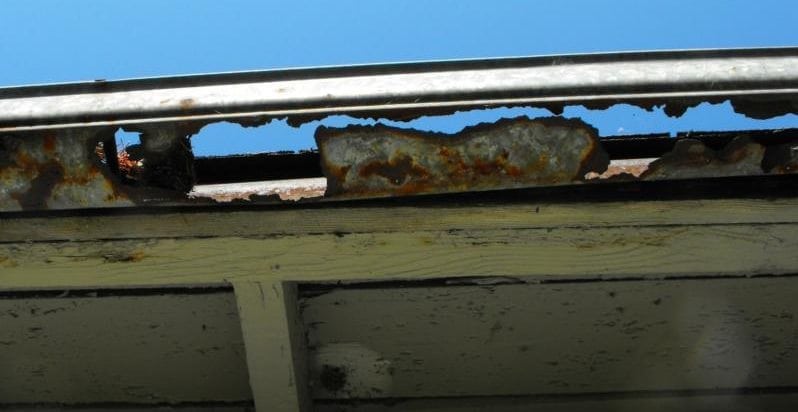
There is nothing quite as helpful as obviousness.
Charles Buell, Real Estate Inspections in Seattle
If you enjoyed this post, and would like to get notices of new posts to my blog, please subscribe via email in the little box to the right. I promise NO spamming of your email

