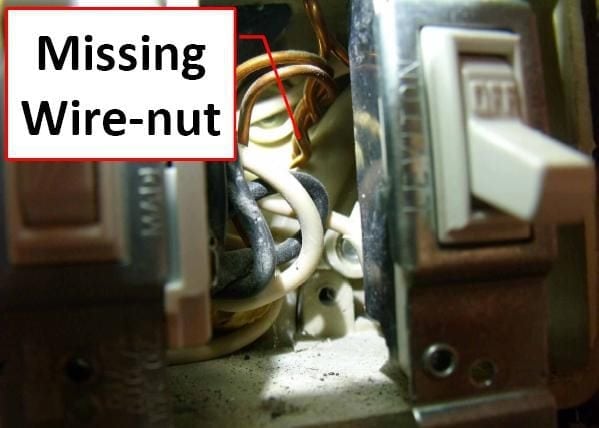
 As a Seattle Home Inspector I don’t particularly care whether the electric meter seal has been clipped or not. It does not mean that the meter was pulled “illegally”. All I care about is noting it and then discovering what kind of workmanship was done. Major changes to the electrical system that involve replacement of the Main Service Panel will most likely involve removal of the meter. It could mean that the electrical permit was never “finaled.” It could mean that the Utility never got called to re-seal the meter or that they haven’t gotten there yet. It could also mean that someone has made “connections” inside the meter base to steel electricity. So far it is only a “Red Flag,” and whether it is going to get waved and how hard has yet to be determined.However when I open up the electric panel and discover “less than professional” work done, I have to question whether the clipping of the meter seal was done under permits and/or by qualified parties.Of course this makes me more aggressive in looking at the rest of the electrical system in the home. For example, how is wiring supported—-and terminated at outlet boxes. I would likely pull a few cover plates to see how the wiring was done at receptacles and switches. Of course if I find an improperly wired switch or receptacle at random locations it is pretty logical to guess that there is likely to be other similarly wired outlets in the home. The picture to the right shows the ground wires (center of picture) with a missing wire-nut—-wires merely twisted together. Of course then I am in the unhappy position of being forced to recommend that ALL such locations be checked by the Licensed Electrical Contractor. How many such locations are there in an average house? The average 1400 sq ft house will typically have between 40-50 receptacles and switch locations. Of course this does not count light fixture locations that could also be wired improperly.What else could I do? Sometimes I wish I had x-ray vision or that I could just wave my magic wand and make them all correct—-but then I would be making a LOT more money than I do now.The reason I am bringing this up is because the procedure I have just discussed goes beyond the Standards of Practice of all Home Inspector Associations and Licensed States that I am aware of. Some SOP’s say that the inspector “may” take off cover plates–but none say that a “representative” number will be removed and checked. I personally think this would be a huge improvement to Home Inspector Standards of Practice. What do you think?
By Charles Buell, Real Estate Inspections in Seattle
If you enjoyed this post, and would like to get notices of new posts to my blog, please subscribe via email in the little box to the right. I promise NO spamming of your email

