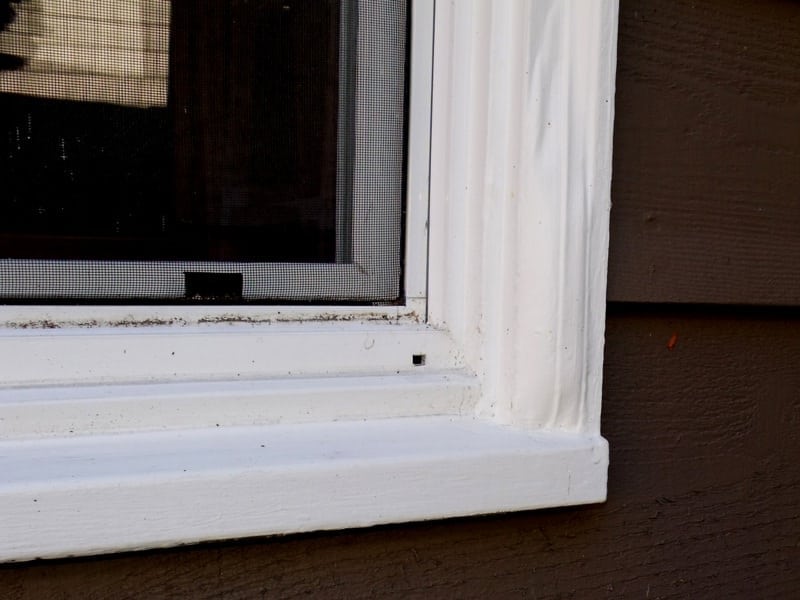
Improper flashings haunt most homes.
The basic principle of all exterior cladding of a home is fairly simple:
All materials, as they change type or function, shall have a means of overlapping the materials below them.
For the most part, it is about “gravity,” and making gravity work for us instead of against us. It is the principle that makes rivers work, and our hair to lay flat—relatively (I know there are those of you that question this part). If we do not lap materials properly, water can and will take the easiest path downward that it can find—-even if it means that somewhere along the way it gets “trapped.” It is this trapping of water, where it should not be, that creates the problems we find related to water intrusion in exterior cladding systems. Add to this the principle of “wicking” and “evaporation” (which can actually work against the principle of gravity) and we can get gallons of water going where it should not be.
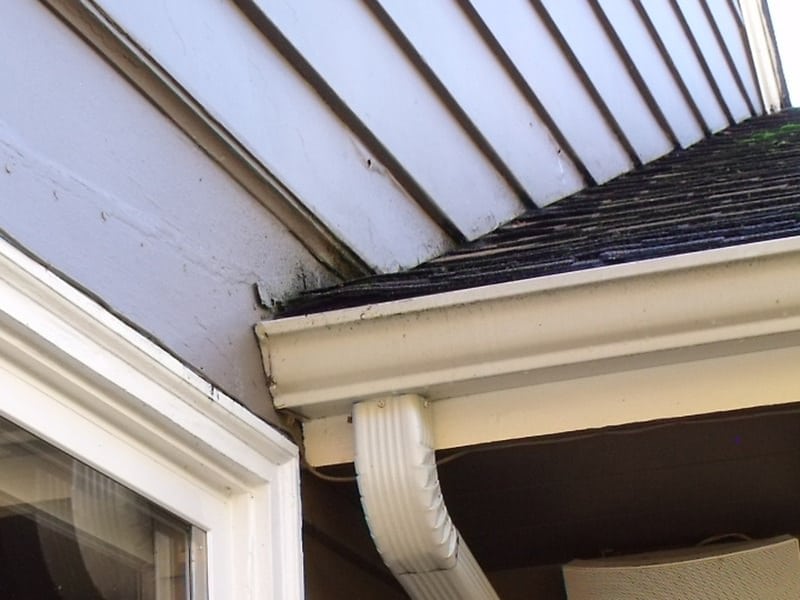
In this picture, the improper flashing details, coupled with improper clearances of the siding and the roof surface, is channeling water where it should not be in this home.
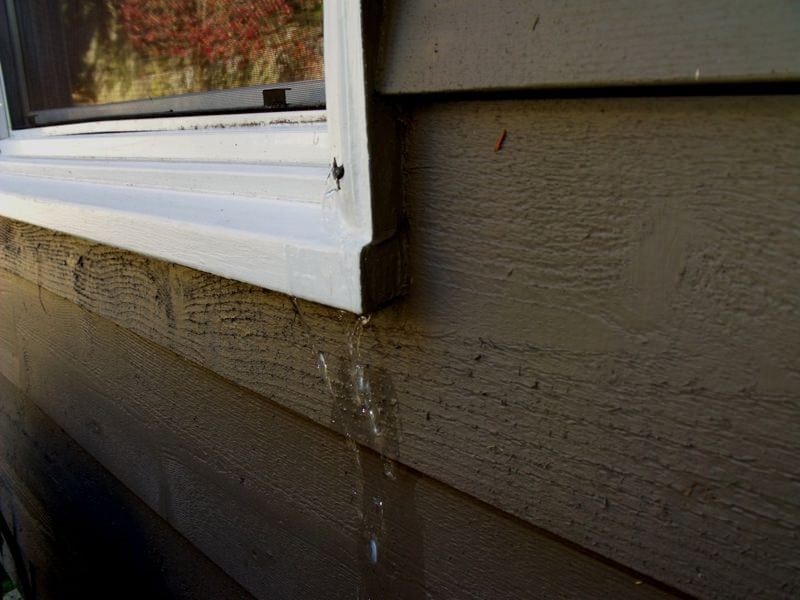
It has found its way behind the paint to the bottom of the window trim where it is stopped in its journey back to the ocean by the window sill.
Poking the paint bubble with my pocket knife allowed the water to continue its journey.
Without good flashing details, all kinds of nasty things can happen to the house structure behind the very materials that are supposed to be protecting it.
By Charles Buell, Real Estate Inspections in Seattle
If you enjoyed this post, and would like to get notices of new posts to my blog, please subscribe via email in the little box to the right. I promise NO spamming of your email

