
There has been lots of discussion about how there is a loss of “pride in workmanship” in the way homes get built these days. I suspect that this is only true in the sense that there is more oversight of structures than their used to be. Growing up on the farm and in rural Connecticut there were any number of instances when things got slapped together in the most expedient method possible—-consistent with the amount of money there was to throw at the project. There was no internet and no home inspectors to blog about the shoddy workmanship or poor choice of materials or methods. Sometimes this work even enjoyed the euphemism of “Yankee ingenuity.”
Nowadays there are any number of arm chair inspectors ready to point fingers—-the “Quality Police” are everywhere.
On a recent inspection—-new construction—-of a stucco house, I was pleased to find that the overall the workmanship was exceptional. There were two minor exceptions where I can only figure the installers had a “momentary lapse of reason” in an otherwise exemplary performance.
Perhaps it is the “beauty mole” approach—–where “beauty” is “marked,” to keep it human—–we can not after all have perfection—-can we?
At some point the workers, when they encountered this gas shut-off, had to have had a conversation with themselves—-about what to do about it. Rather than call a plumber to deal with it, they decided to just work around it and call it good.
By Charles Buell, Real Estate Inspections in Seattle
If you enjoyed this post, and would like to get notices of new posts to my blog, please subscribe via email in the little box to the right. I promise NO spamming of your email


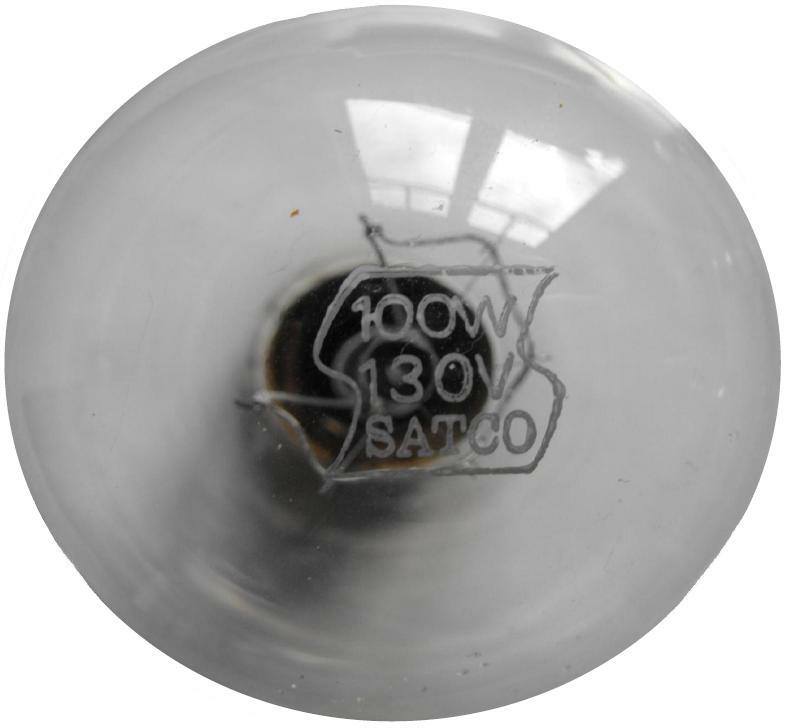
 The year 2012 marked the beginning of the demise of the standard 100 watt to 40 watt incandescent light bulb—the long lived legacy of Thomas Edison (and many others). Initially there will be some “exclusions” for reflector type bulbs and other specialty bulbs, but in general—-the intent of the law is that incandescent bulbs between 100 watts and 40 watts will be replaced with Compact Fluorescent bulbs (CFL’s), and Light-Emitting Diode bulbs (LED’s).
 Incandescent bulbs have a very important feature beside the “quality of light” that they emit. They produce a LOT of heat. In some respects this can be a good thing—-like if you are trying to heat your house in Minnesota. But, they also produce this same heat when you are trying to keep your house cool in the summer—-a bigger problem in regions that stay warm all the time.
 Some would argue that it is “false science” to pick on light bulbs that are such a small part of overall energy use. They argue that legislation would be better suited to putting limits on carbon emissions (reducing coal burning power plants) and banning SUV’s (watch out soccer moms). I would argue that all of these things (and many others) can handle a little scrutiny.
